Best 120V DIY Mini Split: Top 115V Systems You Can Actually Install Yourself
The best 120v diy mini split for most homeowners in 2026 is Zone Air's 115V pre-charged line. It pairs 23 SEER2 efficiency with an optional plug-in power kit (Zone Air's site) and pre-charged line sets custom-cut to any length from 5 to 75 ft (Zone-Air.com), and it's often 15–30% less than comparable MRCOOL systems. MRCOOL's DIY 5th Gen 115V models (9K and 12K) rate slightly higher on paper, at 23.6 and 23.5 SEER2. But they are hardwired, and MRCOOL sells through authorized dealers and retailers, so returns and exchanges depend on the seller.
Updated
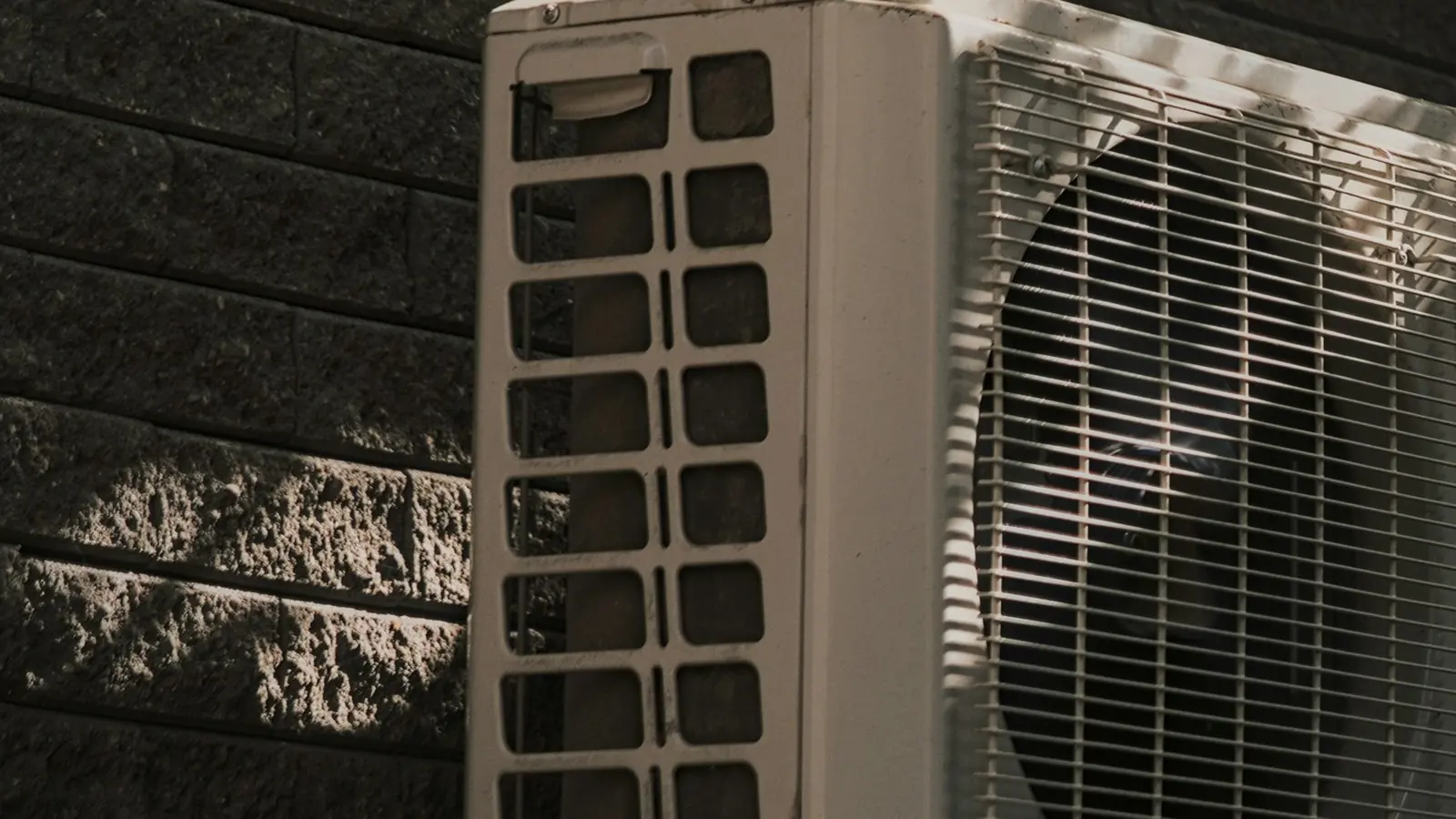
120V DIY mini split systems work well for supplemental heating and cooling in small to mid-size rooms, garages, bonus rooms and ADUs where 230V service isn't available or would cost too much to add. These 115V systems use standard household circuits, and 120V systems plug directly into a standard household circuit without needing a 240V upgrade, which makes them a lot easier for renters and small spaces. This guide compares only 115/120V, single-zone, DIY-friendly heat pump mini splits.
How We Chose the Best 120V DIY Mini Split Systems
We evaluated the 115/120V DIY mini split market in 2026 and deliberately did not force a "top 10" list. Instead, we focused on a handful of strong, distinct options that actually make sense for homeowner installation. We only considered systems that run on 115/120V, can reasonably be installed by a homeowner with basic skills, and have a real U.S. sales and support footprint. 240V systems often need professional electrical work and heavier wiring, so we set them aside entirely.
Key Evaluation Criteria
-
True DIY ease: Does the system use pre-charged quick-connect lines so you don't need specialized HVAC tools, or does it need traditional flare connections, a vacuum pump and manifold gauges? Does it have a plug-in power kit (like Zone Air) or will it need hardwiring (like MRCOOL DIY)?
-
Electrical fit: 115/120V compatibility, typical breaker size (15A or 20A), and whether a new dedicated circuit is need. 115V units are easier for standard household circuits, but dedicated breakers are usually required for 120V mini split installations.
-
Performance and efficiency: Cooling capacity (mostly 9,000 to 12,000 BTU for 120V mini splits), how it does at heating in real climates, and the SEER2, EER2 and HSPF2 ratings. A higher SEER2 rating means better energy efficiency. For reference, the MRCOOL DIY 5th Gen 9K hits 23.6 SEER2.
-
Reliability and warranty: Warranty length and terms for DIY installs. Zone Air offers 5-year parts and 7-year compressor coverage, and installing it yourself does not void it. The MRCOOL DIY 5th Gen has the same terms, but MRCOOL's DIY Select line, which is sold under the same "MRCOOL DIY" name, only has 1 year on parts and 2 years on the compressor.
-
Total installed cost: Equipment price plus tools, potential electrician visits and line set extensions. DIY installation can save you the labor cost of a professional mini split install. DIY mini splits can help you avoid the cost of buying a vacuum pump and gauges. With similar efficiency, Zone Air is often 15–30% less than similar MRCOOL systems.
-
Support and documentation: Availability of clear installation instructions, videos and responsive tech support. Reviewers often praise Zone Air's install and warranty help.
Best 120V DIY Mini Splits for Homeowners in 2026
After we looked things over, we focused on two top 115/120V options: Zone Air 115V and flare-based brands like Pioneer and Senville for experienced tool owners. A comparison with MRCOOL's DIY 5th Gen 9K and 12K 115V models follows. The rankings show which choice fits typical single-zone DIY projects best overall.
1. Zone Air 115V Plug-In Single-Zone Systems - Best Overall 120V DIY Mini Split
Zone Air's 115V pre-charged mini split systems (9K and 12K BTU) have a 23 SEER2 rating. They undergo final assembly, testing, and inspection in the USA. Each system is sent out pre-inspected. An optional plug-in power kit lets you plug the system into a dedicated 115V GFCI outlet where local code allows it (never use an extension cord). On price, these systems usually cost less than similar MRCOOL models.
Why It Stands Out
From start to finish, Zone Air is true DIY. Pre-charged quick-connect line sets are cut to the exact length your run needs, from 5 to 75 feet in a single run, so there are no extra connectors or extension kits adding connection points. You do not need a vacuum pump, refrigerant charging or field flares. Pre-charged lines make installation easier without professional help, and pre-charged units reduce the need for refrigerant handling.
With the plug-in 115V power kit, you can skip hardwiring a new circuit from the panel where a dedicated outlet already exists and local code allows a plug-in install. By contrast, MRCOOL's 115V DIY units must be hardwired. At 23 SEER2 for 115V, the efficiency is competitive (up to 24 SEER2 on 230V models), and the price generally sits below MRCOOL's equivalent systems.
Best For
-
Homeowners adding heating and cooling to a 250–550 sq ft room, office or insulated garage where only 115V is convenient.
-
DIYers who want to avoid buying or renting HVAC tools and who value direct manufacturer support with 30-day returns on uninstalled units.
-
Buyers who want a total cost they can see coming and simple, single-zone line set runs.
Key Strengths
-
Pre-cut, pre-charged line sets from 5–75 ft cut down on the extra couplers and connection points that you get when you use extension kits.
-
Plug-in 115V option with a DIY-friendly install, fully covered under Zone Air's 5-year parts and 7-year compressor warranty.
-
Systems undergo final assembly, testing, and inspection in the USA; units ship pre-inspected.
-
Often these cost 15–30% less than similar MRCOOL systems.
-
They've got a reputation for install and warranty support that answers quickly, and warranty claims go straight to Zone Air.
Possible Limitations
-
These are limited to single-zone setups, and they aren't a fit for complex multi-room runs or for conditioning an entire home.
-
Still requires safe mounting, correct condensate drainage and a dedicated, code-compliant 115V circuit or outlet.
-
With a 23 SEER2 rating, the 115V models sit a step below Zone Air's 24 SEER2 230V units and MRCOOL's 115V models (23.5–23.6).
-
They're sold direct online rather than through stores, so it's not ideal if you want to see a unit locally before you buy.
2. Pioneer & Senville 115V Flare-Based Systems - Best 120V Value for Tool Owners
Pioneer and Senville offer 115V, 9K–12K BTU inverter mini split systems that are widely sold and often hundreds of dollars cheaper than pre-charged DIY kits. The Senville Leto Series is suitable for larger areas with 18,000 BTU in its larger models, though those usually step up to 230V. At the 115V level, these brands serve buyers who are focused on their budget with decent SEER ratings (often upper teens to low 20s SEER2). There are other budget options too. The ROVSUN DIY Mini Split is a budget-friendly option at 9,000 BTU for buyers who are watching every dollar.
Why They Stand Out
Equipment cost can be hundreds less than pre-charged quick-connect systems for the same BTU and a decent seer rating. They're a strong fit for people who already own a vacuum pump, manifold gauges and torque wrenches-or who plan to hire an HVAC technician just for evacuation and commissioning.
Best For
-
Experienced DIYers, property owners or workers who are comfortable running flared line sets and coordinating professional vacuum and charge if required by warranty.
-
Buyers who care most about the lowest equipment price, not the simplest install. You'd go this way mainly because of a tight budget.
-
Spaces where adding a dedicated 115V circuit is fine and money is what determines it.
Key Strengths
-
Compared to MRCOOL or Zone Air pre-charged systems, the cost of the equipment is lower in the 9K–12K BTU 115V range.
-
The efficiency is solid enough for guest rooms, for small apartments or for shops.
-
Wide model range with options that can step up to 230V later if you run new power.
-
These are brands that have a track record in the U.S. ductless market and are established.
Possible Limitations
-
Not "no-vacuum" DIY: they need proper evacuation, they need leak testing and they need torque on flare connections. Vacuuming and leak testing may need professional help.
-
Most warranties either need or strongly recommend licensed HVAC commissioning. Full DIY can risk coverage.
-
Install is slower and more error-prone than plug-and-play quick-connect systems for first-timers.
How MRCOOL DIY 5th Gen 115V Models Compare
MRCOOL's DIY 5th Gen line also includes 115V pre-charged quick-connect models at 9K and 12K BTU.
MRCOOL DIY 5th Gen 9K 115V
Using pre-charged quick-connect lines, the 9K 115V model is rated 23.6 SEER2 and 11.5 HSPF2. MRCOOL lists its maximum coverage as up to 400 sq ft under conditions that are ideal. For smart control, the MRCOOL unit offers an app, with Wi-Fi through a dongle, plus voice control for Alexa and Google. A handheld remote is included.
MRCOOL DIY 5th Gen 12K 115V
With the 12,000 BTU size, you get a unit that fits many bonus rooms, large bedrooms, small apartments or one-car garages. The 12K 115V model (DIY-12-HP-C-115D25-O) is rated 23.5 SEER2 and 10.2 HSPF2. MRCOOL lists the 12K wall head at 18 dB(A) and its maximum coverage as up to 550 sq ft, noting that figure takes ideal installation conditions. A 12,000 BTU unit covers about 450–550 square feet. It supports both heating and cooling.
Shared Specs and Terms
-
Pre-charged quick-connect line sets simplify DIY installation and avoid HVAC vacuum gear.
-
MRCOOL's standard DIY 5th Gen is rated to heat down to about −13°F, which is the same floor as Zone Air's −13°F. Higher-tier DIY models are rated lower.
-
The standard DIY warranty (5-year parts / 7-year compressor) comes with no registration required. The "register within 60 days" rule that people often quote for MRCOOL refers to its paid Care program lifetime-compressor upgrade, not the standard warranty.
Possible Limitations
-
115V units are hardwired, not plug-in, so most homeowners need to add or modify a dedicated circuit at the panel, and permits are required in many areas.
-
Coverage area is limited; the 9K suits small rooms, not big garages or open-plan spaces.
-
MRCOOL doesn't sell direct to consumers, so returns and exchanges depend on the seller.
-
Line sets come in fixed 11.5, 16, 25, 35 and 50 ft lengths, with couplers for longer runs. With each coupler, you're adding a connection point that a single custom-length run like Zone Air's doesn't have.
-
DIY Select units that are sold under similar names carry the reduced 1-year parts / 2-year compressor warranty. Buyers must check which type they're buying.
Quick Comparison of the Best 120V DIY Mini Splits
Here's a quick comparison of which option fits which kind of project:
-
Zone Air 115V plug-in systems - Best overall for most homeowners who want a true DIY 115V install with pre-cut pre-charged line sets and plug-in power. It works great for straightforward single-zone projects.
-
Pioneer/Senville 115V flare-based systems - Best budget route for tool owners willing to do or hire proper vacuum and commissioning.
-
MRCOOL DIY 5th Gen 9K and 12K 115V - Pre-charged quick-connect at 23.6 and 23.5 SEER2, hardwired, sold through dealers and retailers.
Why Zone Air
Zone Air does final assembly, testing, and inspection in the USA, so every system is checked before it ships. That's why the company can stand behind its warranty. Zone Air describes its 115V systems with the plug-in kit as "the easiest systems to install on the market," since the plug-in kit removes the hardwiring step that MRCOOL's 115V units require. Each line set is a single pre-charged run cut to the length your room needs, rather than a fixed-length kit joined to an extension. Zone Air sells and ships every system direct to consumer, and warranty claims, returns, and exchanges are handled directly with Zone Air. That makes it the best option for buyers who want a system independent of retail availability. Zone Air's systems are also rated to cool in outdoor temperatures up to 131°F, compared with the 122°F that MRCOOL publishes. The tradeoff on 115V is efficiency: Zone Air's 23 SEER2 sits just under MRCOOL's 23.5–23.6.
How to Choose the Right 120V DIY Mini Split
Picking the right system comes down to three things: room size, electrical setup, and how much of the install you're willing to handle yourself.
Choose Based on Room Size and Climate
Rough BTU guidance for 115V single-zone systems: 9K for small rooms that are around 200–350 sq ft, 12K for mid-size rooms or insulated garages that are around 350–550 sq ft. Units with lower BTU (8K–12K) are good for small rooms, and units with higher BTU (18K–24K) are good for larger rooms or open plans-though 240V units usually support higher BTU capacities at that scale. The Cooper & Hunter Olivia Series offers a high efficiency of 24 SEER, and the DELLA Vario Series is designed for whole-house installations at 24,000 BTU, but both usually need 230V. 120V mini splits usually operate within 9,000 to 12,000 BTU capacities.
Room size, insulation and climate can affect BTU selection a lot. Manufacturer "max coverage" numbers (like MRCOOL listing 550 sq ft for the 12K) assume ideal conditions, so it's a good idea to size with extra room for hot summers or cold winters. Ceiling height and the amount of window exposure change the math too. Oversizing causes short cycling. Going too small on size can lead to insufficient cooling.
Heating performance matters in cold climates. Between a unit's Region IV and Region V HSPF2 ratings, there can be the difference between efficient heat and running a space heater alongside your mini split (Region V is the colder northern rating region and always rates lower). You'll want to plan for backup heat in harder winters. Moving from 17 to 24 SEER2 does lower operating costs, so efficiency gains are real but small.
Choose Based on Electrical Setup (115V Reality Check)
Even 115V mini splits usually need a dedicated 15A–20A circuit. Sharing with outlets or lights often trips breakers and violates code. Installing a new dedicated circuit adds an electrician's bill if you hire one.
Zone Air's 115V systems with the optional plug-in kit can use an existing dedicated GFCI outlet where local code allows, skipping panel work in some cases. Hardwired 115V units (MRCOOL DIY) generally require pulling a new cable from the panel and adding a breaker and disconnect. Check panel capacity, breaker space and local permitting requirements before you purchase any 115V DIY mini split. 240V systems require dedicated circuits and heavier wiring, which is why many homeowners prefer staying at 115V when the room and BTU needs allow it.
Choose Based on DIY Skill and Tools
From true plug-and-play (Zone Air plug-in) to no-vacuum but hardwired (MRCOOL DIY) to full HVAC-tool installs (Pioneer/Senville flare-based systems with the Leto Series and similar models), the spectrum covers a lot of ground. DIY installation does need basic electrical and construction skills across all of them. Installing a mini split means you need to drill holes and run copper lines no matter which brand you pick.
Be honest about how comfortable you are with drilling through walls, putting up mounting brackets, managing condensate lines and doing basic wiring. True DIY systems use pre-charged quick-connect lines that get rid of the need for specialized HVAC tools. That is a big save for first-timers. If a project will need you to buy a vacuum pump, gauges, torque wrenches and hire an electrician or HVAC company, the cost gap versus professional installation gets small fast. Sometimes it goes away completely.
Which 120V DIY Mini Split Is Best for You?
-
Choose Zone Air 115V plug-in if you want the most simple 120V DIY experience, with line sets that are already pre-cut and pre-charged, plug-in power, and support that comes direct from the manufacturer. It's the best DIY mini split for homeowner installation where ease and total cost matter most.
-
Choose Pioneer or Senville 115V systems if you already own HVAC tools (or have a trusted tech) and want to minimize equipment cost while accepting a more complex install. The Senville Leto Series and Pioneer models with a lower seer rating can still be a good unit at the right price.
If your project covers multiple rooms, or you have masonry walls, or you need major panel work, a pro-installed 230V system may make more sense than forcing a 115V DIY approach. Not every space is right for a DIY mini split.
Final Thoughts
Depending on the room, climate, electrical access and how hands-on you want to be, the best 120v diy mini split will vary. Zone Air's 115V plug-in systems are the best all-around pick for most 120V DIY projects, while Pioneer and Senville flare systems suit buyers who already own HVAC tools. Before you buy, take a look at your electrical panel and check the local permit details, and put more effort into a clean install with no leaks than into getting a few extra SEER2 points on paper. That's where you really get rebates in comfort and reliability.